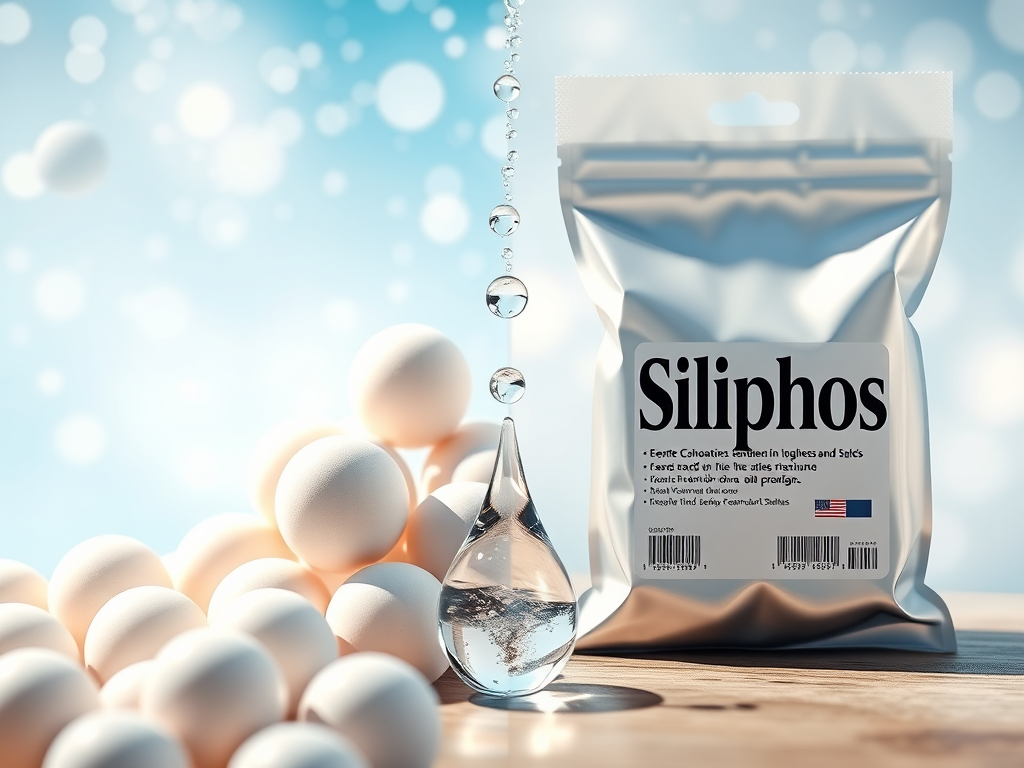
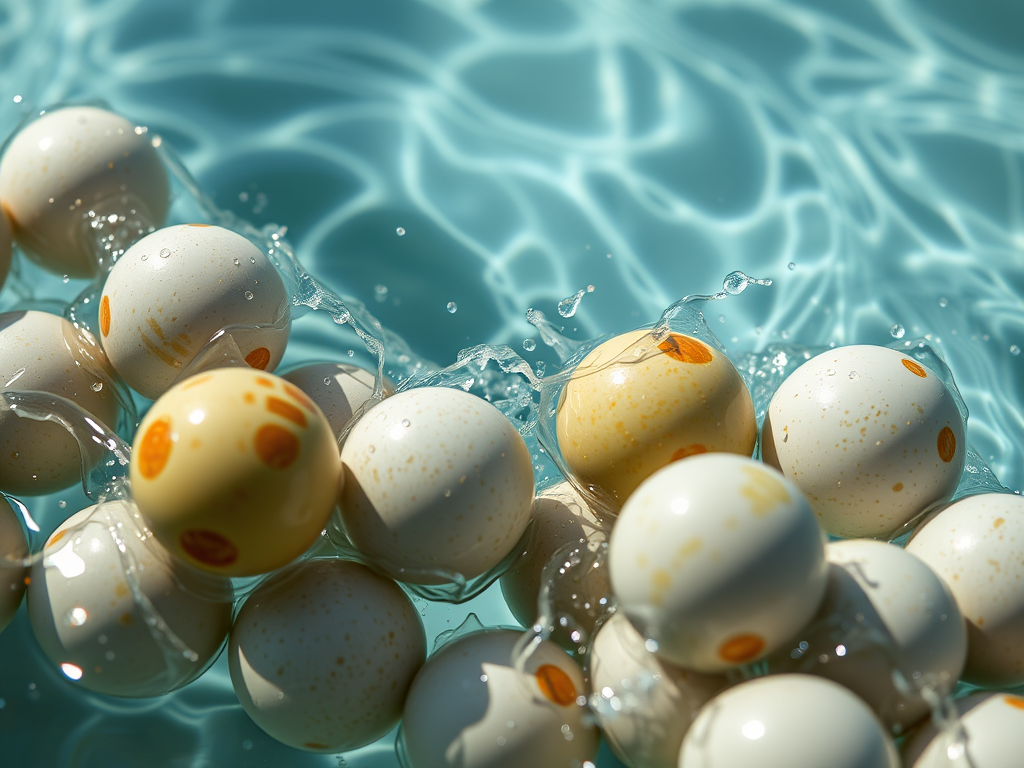
Scale inhibition ceramic balls and Siliphos
In the world of water purification, one of the biggest challenges faced by households and industries alike is scale formation—the stubborn buildup of minerals like calcium and magnesium inside pipes, appliances, and filtration systems. Two popular solutions on the market are Scale Inhibition Ceramic Balls and Siliphos (polyphosphate-based treatment). Both offer effective ways to prevent scale, but they work differently and suit different water conditions. Here’s what you need to know to make the best choice for your needs.
🔬 How They Work
Ceramic Balls
Ceramic balls are made from special inorganic compounds, often containing silica (SiO₂) and trace metals like iron. These materials influence the water at a molecular level, changing the structure of minerals like calcium carbonate. This alteration makes it harder for minerals to form hard scale, helping to protect your pipes and appliances without the use of chemicals.
Siliphos
Siliphos is a well-known polyphosphate-based scale inhibitor. When added to a water system, it forms a thin protective layer on metal surfaces, preventing scale from forming and even helping to dissolve existing scale over time. Siliphos also keeps minerals dissolved in the water, preventing them from settling and crystallizing.
✅ Performance Comparison
| Feature | Ceramic Balls | Siliphos |
|---|---|---|
| Prevents new scale formation | ✅ Yes | ✅ Yes |
| Removes existing scale | ❌ Not designed to | ✅ Gradually |
| Effective in very hard water | ⚠️ Limited | ✅ Excellent |
| Requires chemical refill | ❌ No | ✅ Yes (cartridge) |
| Environmentally friendly | ✅ Yes (no chemicals) | ⚠️ Contains phosphates |
🌍 Environmental Impact
One of the key differences lies in environmental impact.
- Ceramic balls do not release any chemicals into the water, making them ideal for environmentally sensitive areas and for clients who prefer a “green” solution.
- Siliphos, while highly effective, introduces small amounts of phosphate into the water. Although this is generally safe for human use, some eco-conscious users may prefer to avoid it, especially where wastewater discharge is a concern.
🛠️ Maintenance and Longevity
- Ceramic balls typically last 6 to 12 months depending on usage and water flow. They are low-maintenance and ideal for long-term protection in domestic and light commercial settings.
- Siliphos cartridges need to be replaced more frequently—typically every 3 to 6 months, depending on water hardness and system size.
💡 When to Choose What?
Choose Ceramic Balls if:
- You want a chemical-free solution.
- Your water hardness is moderate (not extreme).
- You want low maintenance and long-lasting media.
- You care about environmental impact and sustainability.
Choose Siliphos if:
- Your water is very hard.
- You have existing scale buildup that needs to be treated.
- You need strong, proven protection for industrial or high-demand settings.
Final Thoughts
Both ceramic balls and Siliphos are excellent tools for protecting your water system from limescale damage. The right choice depends on your water quality, your goals (prevention vs. removal), and your environmental preferences.
At TQ Water, we’re happy to test your water and recommend the best solution tailored to your needs. Whether you’re protecting a home system or an entire commercial facility, we’re here to help you stay clean, green, and scale-free.
For effective scale prevention in water treatment, consider using ceramic balls infused with Siliphos, an eco-friendly solution specifically designed to combat hard water and limescale formation. This phosphate-free scale control alternative not only ensures optimal performance but also promotes sustainable practices in maintaining water quality.
Hi, this is a comment.
To get started with moderating, editing, and deleting comments, please visit the Comments screen in the dashboard.
Commenter avatars come from Gravatar.