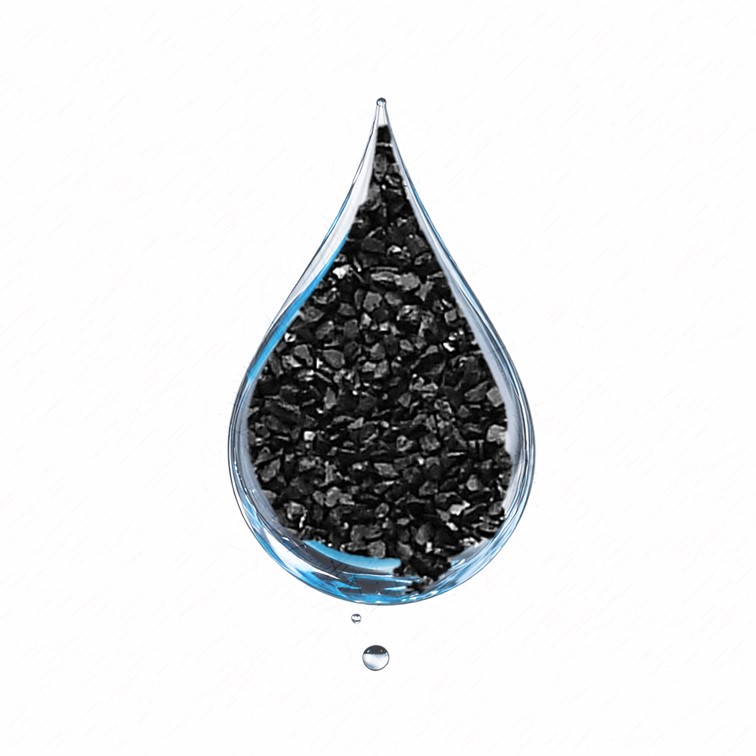
Loose Activated Carbon 20 Kg Per Bag / Price Per Kg
Description
🟤 Loose Activated Carbon: Overview & Applications in Water Treatment
Loose activated carbon (LAC) refers to granular or powdered activated carbon media sold in bulk form—not enclosed in cartridges. It is widely used for filtration of water, air, and industrial fluids, primarily due to its high surface area and adsorptive capacity.
⚙️ What Is Activated Carbon?
Activated carbon is a highly porous form of carbon made from natural sources like coconut shells, coal, or wood. Through steam or chemical activation, the carbon is processed to develop an extensive internal pore structure that traps impurities.
📦 Forms of Loose Activated Carbon
| Type | Description | Typical Use |
|---|---|---|
| Granular Activated Carbon (GAC) | Coarse, irregular particles (0.2–5 mm) | Water filters, tanks, aquariums |
| Powdered Activated Carbon (PAC) | Fine powder (<0.18 mm) | Industrial mixing, dosing into water |
| Pelletized/Briquetted | Cylindrical extruded form | Air and gas purification |
🧪 Key Properties
| Property | Typical Range |
|---|---|
| Iodine Number | 600–1200 mg/g (adsorptive capacity) |
| Surface Area | 500–1500 m²/g |
| Mesh Size | 8×30 mesh (GAC), 100×325 mesh (PAC) |
| Bulk Density | 0.25 – 0.55 g/cm³ |
| Moisture Content | <10% |
| pH Range (in water) | 6.5–8.5 (neutral to slightly alkaline) |
🧼 Main Uses in Water Treatment
-
Chlorine & Chloramine Removal
-
Excellent for removing residual disinfectants from municipal water.
-
-
Taste & Odor Control
-
Removes organic compounds causing unpleasant smells or tastes.
-
-
Chemical Adsorption
-
Removes pesticides, VOCs, phenols, solvents, and THMs (trihalomethanes).
-
-
Pretreatment for RO/NF systems
-
Protects membranes from fouling and chemical degradation.
-
-
Aquarium & Pond Filtration
-
Maintains clean, odor-free water and removes tannins.
-
📌 Advantages
-
High surface area = excellent adsorption
-
Flexible usage in tanks, filters, or batch systems
-
Effective at removing both organic chemicals and chlorine
-
Reusable (in some applications) after reactivation
⚠️ Considerations
-
Must be backwashed or rinsed before use to remove fine dust
-
Bacterial growth can occur in stagnant water—change periodically
-
Not effective for heavy metals unless specially impregnated
-
Requires containment (filter bags, mesh screens, or tanks with underdrains)
🔁 Replacement Frequency
| Application | Replacement Interval |
|---|---|
| Drinking water | Every 3–6 months |
| Aquarium systems | Every 4–6 weeks |
| Industrial process | Depends on loading; monitor breakthrough levels |


Reviews
There are no reviews yet.